How Do You Identify Stink Bugs in Dallas, TX?
Identify stink bugs in Dallas homes and learn how to prevent them from invading with Forterra Pest Control’s proven inspection and removal strategies.
On this page
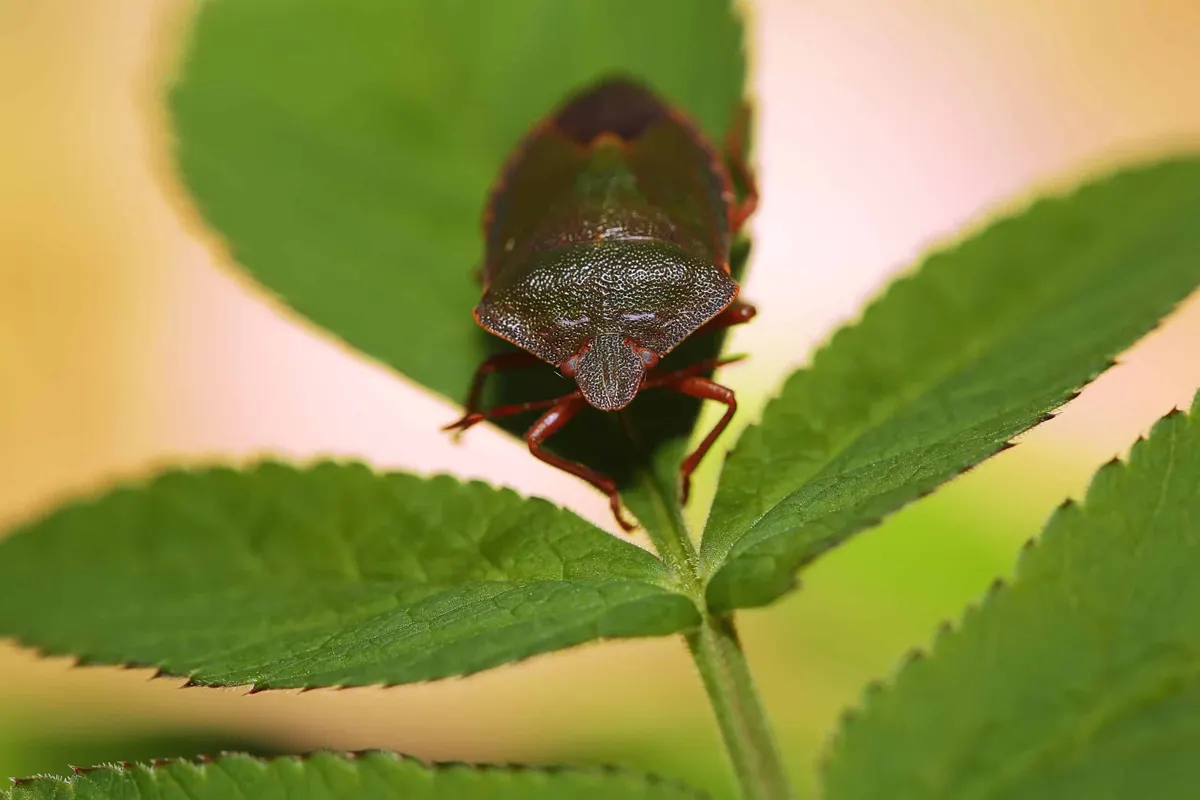
Stink bugs are a common pest found in many parts of the United States, including Dallas. These insects are known for their distinctive odor and can often be a nuisance for homeowners, gardeners, and farmers alike. If you've ever encountered a stink bug in your home or garden, you know how unpleasant it can be.
In this blog article, we will provide tips and tricks for identifying stink bugs in Dallas and strategies for preventing and controlling these pests. Whether you're a homeowner or a farmer, understanding how to identify and manage stink bugs is essential for protecting your property and crops.
Understanding Stink Bugs
Stink bugs are an invasive agricultural pest that can cause significant damage to crops and gardens. While stink bugs are not harmful to humans, they can cause damage to crops and plants. They feed on fruits, vegetables, and other plants, causing discoloration and distortion. In addition, stink bugs can attract other pests, such as ants and spiders, which can further damage your garden or home.
Understanding their behavior, physical characteristics, and lifecycle is crucial for effective pest management.
Behavior:
Stink bugs are known for their distinct defensive mechanism - emitting a foul odor when threatened or crushed. This pungent smell is a deterrent for predators, giving them their infamous name. Additionally, stink bugs invade homes in large numbers during the colder months, seeking shelter and warmth.
Physical Characteristics:
Stink bugs are typically shield-shaped and measure around half an inch in length. They range from brown to green and have distinctive markings on their bodies. Their wings are well-developed, allowing them to fly, while their piercing mouthparts enable them to feed on various plants. Knowing these physical characteristics will aid in identifying the presence of stink bugs and differentiating them from other similar insects.
Lifecycle:
To effectively manage stink bug populations, it is crucial to understand stinkbug lifecycle. Stink bugs undergo incomplete metamorphosis, meaning they do not undergo a complete transition from larva to pupa to adult.
Instead, they go through a nymph stage before reaching adulthood. During the warmer months, females lay barrel-shaped eggs on the undersides of leaves, which then hatch into nymphs. These nymphs gradually develop into adults, molting several times throughout the process. Understanding their lifecycle helps target the most vulnerable stages and implement appropriate control measures.
Identifying Stink Bugs in Dallas
Stink bugs are a common pest problem in Dallas, but not all species are alike. One of Dallas's most prevalent stink bug species is the Brown Marmorated Stink Bug (BMSB). This invasive species has a shield-shaped body that measures approximately 0.63 inches long. Its coloration ranges from brown to gray, characterized by distinctive white bands on its antennae and legs. Additionally, BMSBs emit a pungent odor when disturbed, hence their name.
Another common stink bug species in Dallas is the Southern Green Stink Bug. As the name suggests, these stink bugs are mostly green, with a characteristic triangular-shaped body. When young, Green stink bug nymphs are mostly black. However, they develop green coloration and orange and black markings as they grow. Adult stink bugs have a shield shape and are about 3/4 inch long. A narrow, orange-yellow line delineates the bright green body of the Green stink bug.
Other species of stink bugs in Dallas, Texas, include the conchuela stink bug (Chlorochroa ligata), the brown stink bug (Euschistus servus), the harlequin bug (Murgantia histrionica), the rice stink bug (Oebalus pugnax), and the spined shouldered stink bug (Podisus maculiventris). While most of them feed on plants, some prey on other insects, like the spined-shouldered stink bug. Another stink bug species, Brochymena arborea, resembles the color and texture of tree bark, which is its natural habitat.
Signs of Stink Bug Infestation
Stink bugs are pesky insects that have become quite a nuisance for homeowners in recent years. If you suspect your home may be infested with these critters, it's important to know the telltale signs to look out for.
One of the most evident signs of a stink bug infestation is the unpleasant odor it emits. When threatened or disturbed, stink bugs release a pungent smell that can be described as similar to coriander or cilantro. It could be a sign that stink bugs have taken up residence if you notice a strong, foul odor in your home, particularly in areas such as the attic, basement, or around windows.
In addition to the distinct odor, stink bugs can also cause visible damage to plants, crops, and even household items. While stink bugs are not harmful to humans, they can cause damage to crops and plants. They feed on fruits, vegetables, and other plants, causing discoloration and distortion. If you notice circular holes or discoloration on your plants' leaves or fruits, stink bugs are likely to blame. Inside your home, they may also leave behind fecal stains or tiny bite marks on fabrics, curtains, or upholstery.
Furthermore, stink bugs are attracted to light sources, especially during the warmer months. If you see large numbers of these insects gathering around outdoor lights at night or finding their way into your home through open windows or doors, it clearly indicates an infestation.
Protecting Your Dallas Home from Stink Bug Infestations
Stink bugs can be a real nuisance for homeowners in Dallas, but there are effective methods to prevent these unwelcome invaders from making your home their own. You can significantly reduce the risk of stink bug infestations by implementing simple prevention techniques, such as sealing cracks and managing vegetation properly.
Sealing Cracks: Stink bugs can enter your home through even the tiniest openings, so it is crucial to seal any cracks or gaps in your house's foundation, walls, windows, and doors. Use caulk or weather-stripping to seal the gaps and prevent stink bugs from finding their way inside. Pay extra attention to areas around utility pipes, vents, and chimneys, as these are common entry points for stink bugs.
Proper Vegetation Management: Stink bugs are attracted to certain types of plants and vegetation. To minimize their presence around your home, it is essential to manage the vegetation effectively. Start by ensuring that trees and shrubs are trimmed away from your home's exterior walls, allowing space between plants and the structure. This will make it more challenging for stink bugs to access your home. Additionally, consider removing or relocating plants that attract stink bugs, such as ornamental fruit trees or plants that produce fruit or flowers.
Implementing these prevention techniques can significantly decrease the likelihood of stink bug infestations in your Dallas home. Stay one step ahead by sealing cracks and implementing proper vegetation management, ensuring a pest-free living environment for you and your family.