What Should You Do If Your Dog Eats a Cockroach?
A dog eating a cockroach is usually harmless, but there are two cases worth a call to the vet. What to watch for, and why roaches were in reach at all.
On this page
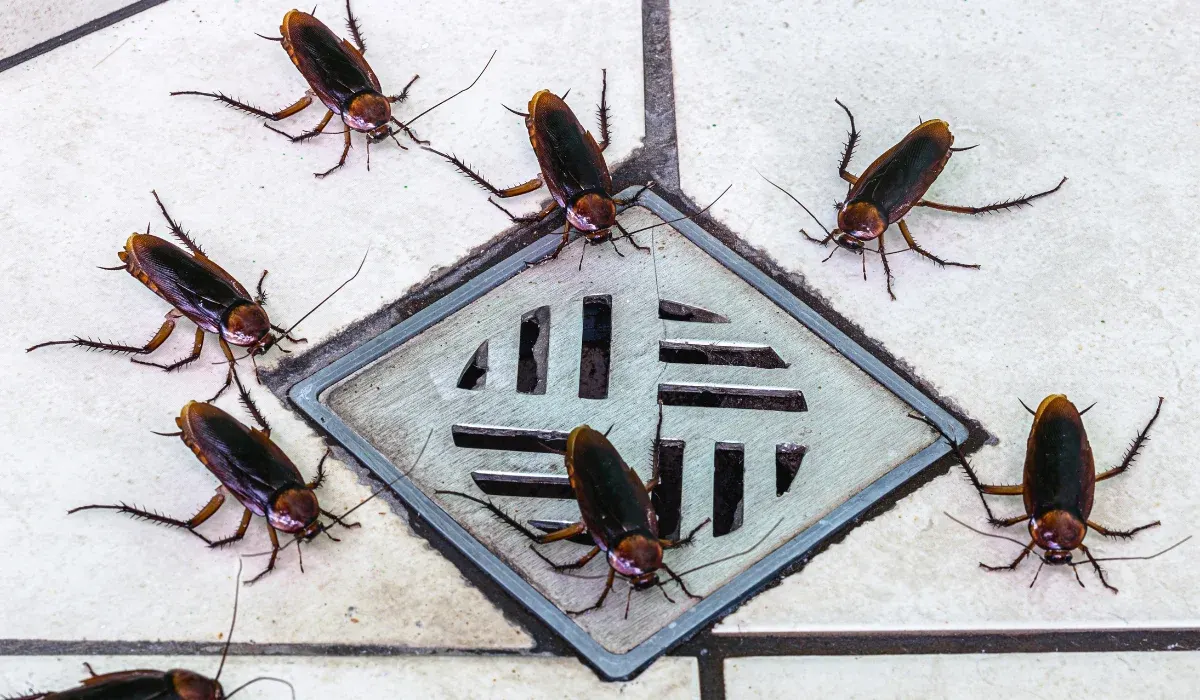
If you have a dog, you may have seen this happen before. You look away for a moment, and your dog snaps at something moving across the floor. Many pet parents panic and ask, “Is it dangerous if my dog eats a cockroach?” This concern is common in North Texas, where warm weather supports year-round cockroach activity.
For most dogs, eating a roach does not cause an emergency. Dogs are naturally curious and often chase fast-moving pests. Some situations can affect dog health, depending on where the roach came from and whether it came into contact with household insecticides.
This guide explains what happens if a dog eats a cockroach, when to monitor at home, and when to call a veterinarian. It also covers prevention steps and how working with a roach exterminator can lower risks in Dallas-Fort Worth homes.
Key Takeaways
- In many cases, a dog eats a roach with only a small risk of lasting problems.
- Digestive upset or mild stomach upset are the most common short-term issues.
- Health risks increase if the roach came from unsanitary areas or has come into contact with roach poison, insecticides, or pesticides.
- Consistent pest control helps protect pets and reduces the risk of repeat incidents.
Video Guide: Understanding Cockroach Types
Before going further, it helps to know what types of roaches are common in homes. This video provides helpful context for pet parents, as different roach species are more likely to appear indoors and interact with pets. Understanding what you are dealing with supports smarter prevention at home.
What Happens If a Dog Eats a Cockroach?
The outcome depends on the dog and the cockroach. In many cases, dogs show no symptoms after eating a roach. Dogs use strong stomach acids to break down insects quickly.
Some dogs may have short-term stomach upset. When this happens, your dog may have soft stool or vomit once or twice. These signs often resolve within one day if the dog continues eating and behaving normally.
In Dallas-Fort Worth homes, roaches often come from garages, drains, or outdoor entry points. If the roach came from dirty areas, it may carry bacteria such as Salmonella or Staphylococcus. The risk increases if the roach comes into contact with improperly stored pesticides in the home.
If you see frequent roach activity, professional cockroach control can reduce indoor roach levels and lower the risk to pets.
When “My Dog Ate a Cockroach” Is Usually Not a Problem
Many pet parents report, “My dog ate a roach and seems fine.” That is often the case. However, it’s always good to know what to do if your dog eats a cockroach.
Dog size also matters, and reactions can vary across different dog breeds. Larger dogs often show fewer symptoms than smaller dogs because of their body size. If your dog eats a roach and keeps acting normal, eating meals, and producing normal feces, home monitoring is often enough.
The main concern is frequency. One incident carries a low risk. Repeated roach infestations often indicate a larger pest problem in the home. Fixing the source helps protect both your pet and your living space.
When You Should Be Concerned
Some situations call for closer attention. Risk rises if the roach touches cockroach bait, cockroach poison, or insecticides placed by a homeowner or a past service. Products with boric acid or other active ingredients can cause stomach upset or stronger reactions in dogs.
According to the CDC, dogs exposed to Salmonella often show digestive symptoms such as diarrhea, vomiting, and lethargy, or refusal to eat dog food. However, some dogs may show only mild signs or none at all. In rare cases, a blockage can occur if a dog swallows multiple roaches or their parts whole.
Parasites are another concern. Roaches can carry roundworm or stomach worm larvae. Infections from these parasites are uncommon and usually affect dogs over time rather than right away.
If symptoms last longer than 24 hours or worsen, contact a veterinarian. Reducing indoor roach activity through professional pest control lowers these risks.
Health Risks Linked to Eating Roaches
Most dogs face a low health risk after eating one roach. Still, it helps to know what to watch for. Bacteria such as Salmonella or Staphylococcus can cause stomach upset, especially in puppies or older dogs.
Short-term signs include loose stool, signs of vomiting, or low energy. These usually clear up quickly. More serious reactions can happen if a dog eats roaches that came into contact with pesticides not meant for pets.
Repeated exposure raises risk over time. Dogs that often eat insects indoors may also swallow contaminated dust or debris left behind by roaches.
Our team uses pet-conscious methods to manage roach activity while keeping dogs safe in Dallas-Fort Worth homes.
How to Reduce the Risk Moving Forward
If your dog often eats bugs, prevention is the best solution. Start with simple habits such as keeping dog food sealed, cleaning up spills promptly, and limiting access to trash areas where roaches feed.
According to Purdue University Extension research, cockroaches can carry and spread Salmonella through contact with food and household surfaces, increasing exposure risks for both people and pets.
Home maintenance also helps. Seal gaps, reduce moisture, and clean behind appliances where roaches hide. These steps support pest control and dog health when paired with professional treatments applied by trained technicians.
Professional pest control adds another layer of protection. By treating entry points and nesting areas, you lower the chance of future incidents.
Making the Right Choice for Your Home and Pet
Seeing a cockroach indoors often signals a larger issue that needs attention. Addressing the source early can help limit future encounters and keep your home more comfortable for both people and pets.
At Forterra Pest Control, we work with Dallas-Fort Worth homeowners to identify entry points and reduce indoor roach activity using pet-conscious methods designed for long-term results.
If roaches keep appearing and you want help addressing the problem at its source, contact us today.
FAQs
Is it common for dogs in Dallas-Fort Worth to eat roaches?
Yes. Warm weather in Dallas-Fort Worth supports year-round roach activity. Many dogs snap at moving insects indoors or in garages. A single incident usually does not cause harm, but repeated sightings indicate a pest issue that needs prompt action.
Should I call a vet if my dog eats a cockroach in North Texas?
If your dog shows no symptoms, home monitoring is often enough. Seek veterinary attention if you notice repeated vomiting, lethargy, or appetite loss. Local vets in DFW are familiar with these situations and can guide you.
How can pest control help protect pets in Dallas-Fort Worth homes?
Professional pest control reduces indoor roach populations and limits pet exposure. In the Dallas-Fort Worth area, companies like Forterra Pest Control focus on prevention and pet-friendly practices that look out for dogs and keep homes comfortable.