Baby Cockroaches, How to Identify Each Species
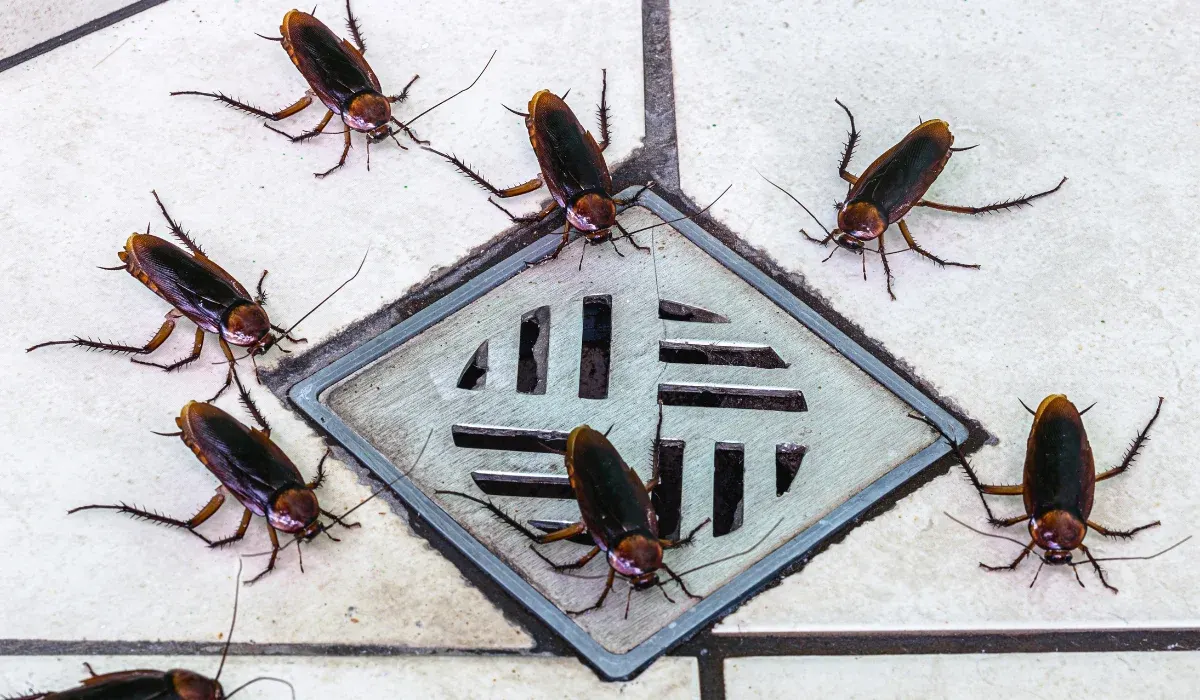
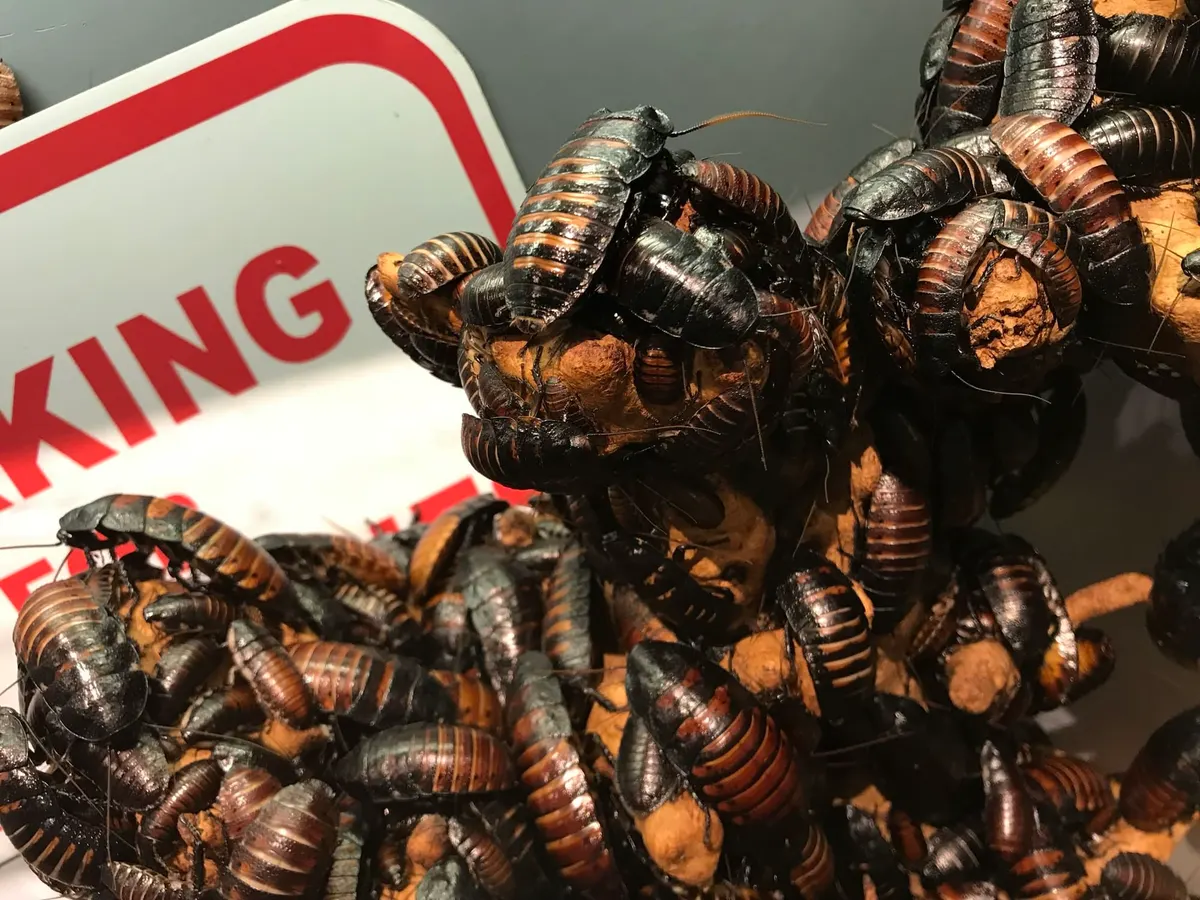
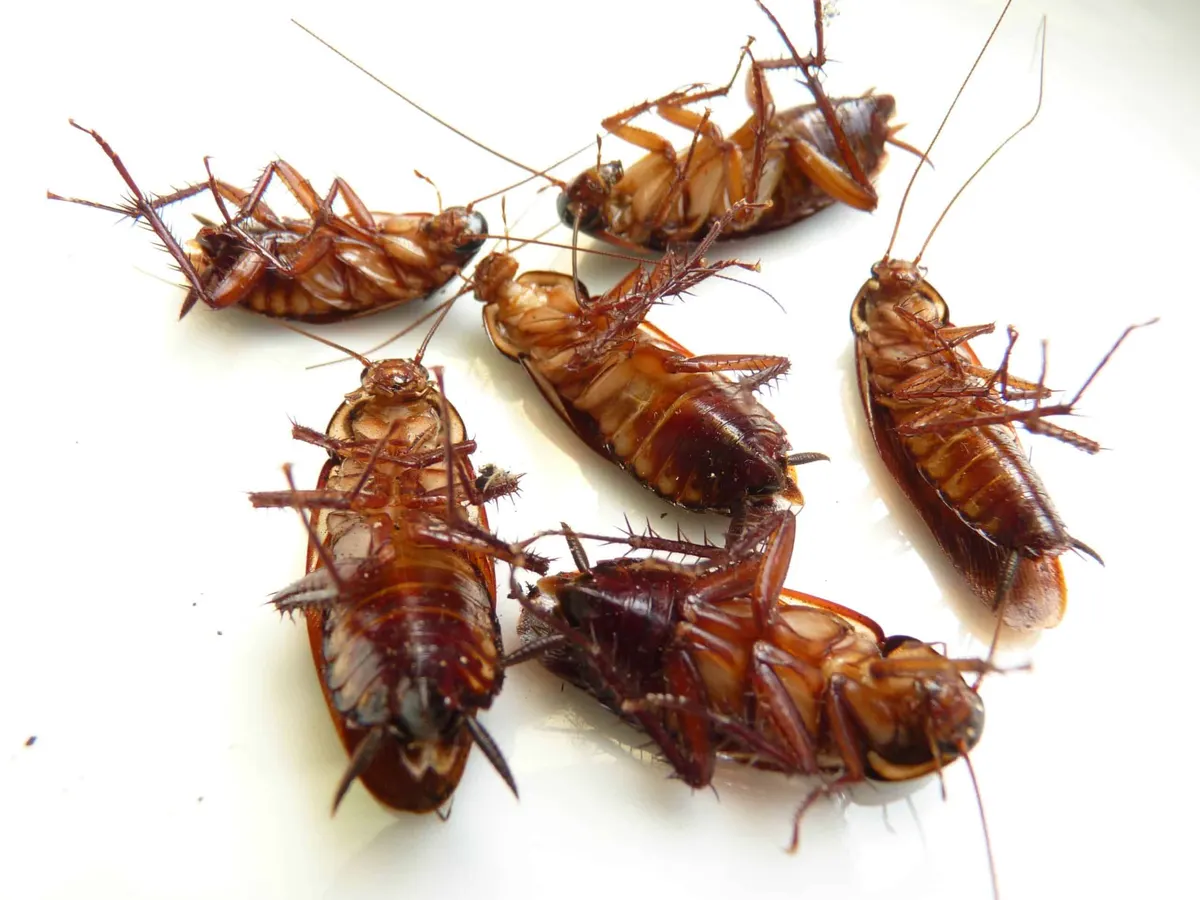
Baby cockroaches, called nymphs, look like small adults without wings. The newest ones can be as small as 1/8 inch. German cockroach nymphs are dark brown to nearly black with a tan stripe down the back, while American cockroach nymphs are larger and grayish brown. Seeing nymphs usually means roaches are breeding nearby.
On this page
What Baby Cockroaches Look Like
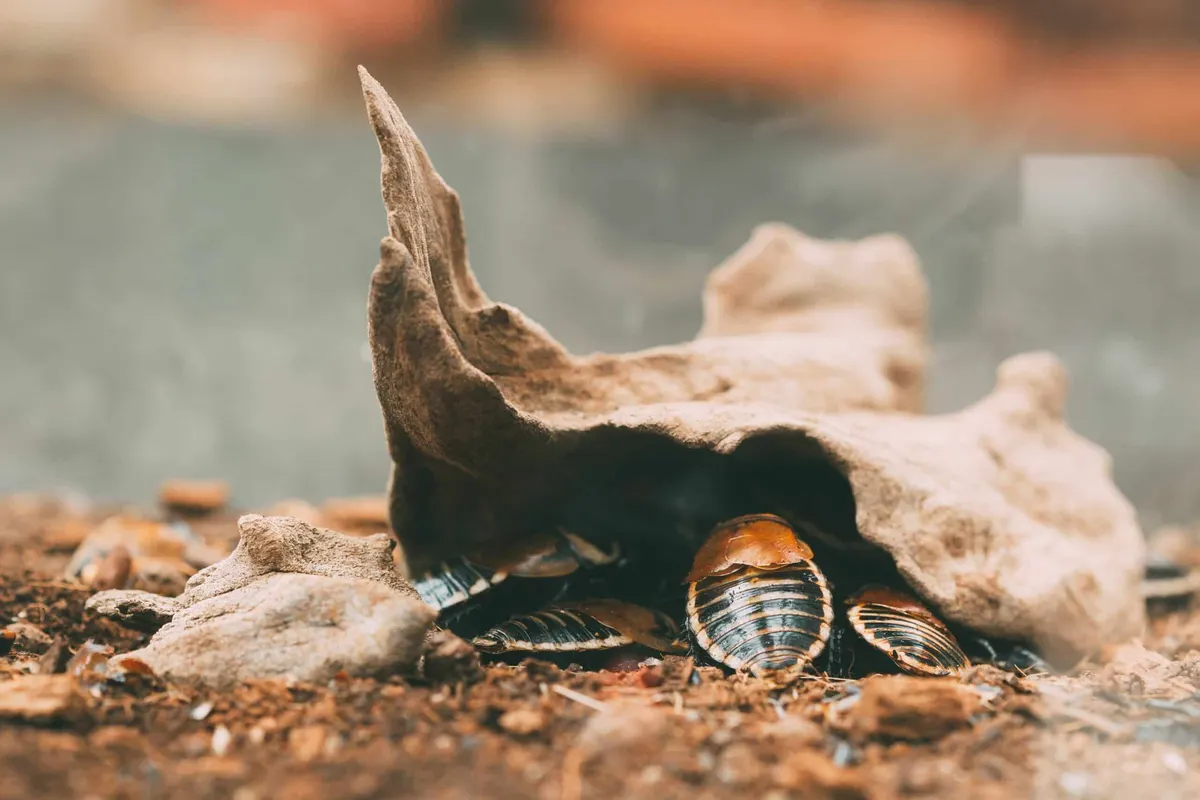
Cockroaches grow by gradual metamorphosis, so a nymph is a smaller copy of the adult. It has the same flat, oval body, spiny legs and long antennae, but no full wings and no ability to breed. Wing pads, small flaps on the back, show up in older nymphs. On the American cockroach, the University of Florida notes they appear around the third or fourth molt.
Nymphs shed their skin many times as they grow, 10 to 13 times in the case of the American cockroach. Right after hatching and after each molt, a nymph is white. UC IPM explains that the new outer skin darkens as it hardens, usually within hours. The white roach you spotted just hatched or molted. It is not an albino or a separate species.
Baby Cockroaches by Species
The table below shows how the nymphs of the five roaches found in DFW homes differ, and what finding each one tells you.
| Species | What the nymph looks like | Where you find it | What it means |
|---|---|---|---|
| German | Dark brown to nearly black, tan stripe down the back | Kitchens, bathrooms, cabinet hinges, appliances | Roaches breeding indoors |
| American | Grayish brown at first, then reddish brown | Drains, garages, utility rooms | A harborage near or under the house |
| Smokybrown | Black with white bands and white antenna tips when young, reddish brown later | Garages, attics, mulch beds | An outdoor population close by |
| Oriental | Shiny reddish brown, turning nearly black | Floor drains and damp spots at ground level | A damp harborage at floor level |
| Brownbanded | Light bands across a brown body | Bedrooms, closets, high shelves, furniture | Roaches breeding indoors, away from the kitchen |
Texas A&M AgriLife's cockroach guide shows German, American and smokybrown nymphs next to their adults, which helps when you have one in a jar.
German vs American Cockroach Nymphs
These two cause most of the confusion, and they mean very different things.
German nymphs are the small, dark ones. The University of Kentucky's cockroach fact sheet describes them as smaller and darker than adults, with a tan stripe down the middle of the back. Texas A&M describes the same pattern as two dark stripes running the length of the body. They come in batches. A German female carries an egg case that releases 30 to 40 nymphs at once, and those nymphs reach adulthood in 50 to 60 days indoors.
American nymphs start out grayish brown and turn reddish brown, with darker edges on each body segment. They grow far more slowly, taking about 600 days on average to become adults, and each egg case holds only 14 to 16 eggs. Late American nymphs can reach about an inch long, bigger than an adult German cockroach.
One outdoor look-alike adds to the confusion. Texas A&M lists the Asian cockroach among the most commonly observed roaches in Texas landscapes. It looks almost exactly like the German cockroach but lives in lawns and leaf litter. The University of Florida notes that its nymphs are smaller than German nymphs, with pale edges along the abdomen.
What Seeing Baby Roaches Means
Nymphs stay close to where they hatched. Texas A&M notes that young roaches hide in dark cracks they often share with adults, and that roaches out in daylight usually mean a large population.
German nymphs indoors always mean an indoor population, because German cockroaches don't live outdoors in Texas. They arrive from another infested place, such as a friend's home, a restaurant or a moving box, and they can spread between apartments through shared walls and pipes.
Nymphs of the outdoor species point to a harborage close to the house, such as a mulch bed by the door, a floor drain or a cluttered garage. One adult American roach can be a wanderer, but adults and nymphs together mean they are breeding nearby.
The two cases call for different work. Forterra treats German infestations with gel bait at the harborage and a growth regulator that stops nymphs from becoming breeders, tools we save for German roaches. Outdoor species get perimeter work and sealed entry routes. Our page on how Forterra treats each cockroach species explains both.
Where Baby Cockroaches Hide
Nymphs squeeze into smaller gaps than adults. UC IPM notes that an adult German cockroach can hide in a crack 1/16 inch wide and that nymphs use even smaller ones. Texas A&M adds that German roaches spend about 75 percent of their lives in cracks. Check these spots with a flashlight after dark.
- Look at cabinet hinges, drawer tracks and the corners of cabinets under kitchen and bathroom sinks.
- Check behind and under the refrigerator, stove and dishwasher.
- Look inside warm appliances such as toaster ovens and clocks.
- Check around toilets, water heaters and floor drains.
- Look in closets, under dressers and on high shelves, where brownbanded nymphs hide.
Sticky traps along walls and cabinet edges show where roaches travel and help you identify the species.
Baby Cockroach FAQ
Why am I seeing tiny baby roaches?
UC IPM notes that nymphs are usually the most common stage in a cockroach population, so you often see them while the adults stay hidden. Tiny, dark roaches in the kitchen are usually German nymphs from an egg case that hatched nearby.
Is it better to see baby or adult roaches?
One adult is the better news. A single large roach near a door at night is often an American cockroach wandering in from outside. Babies mean roaches are breeding somewhere close.
What bugs can be mistaken for baby roaches?
Small adult roaches fool a lot of people. Adult German and Asian cockroaches are only ½ to ⅝ inch long, and brownbanded adults are about ½ inch. Adult German and Asian roaches have wings that reach the end of the body, while nymphs have none.
If you keep finding baby roaches in the kitchen, the breeding has already started. Homeowners in Tarrant County can see how our Southlake office handles it on the cockroach control in Southlake page, which also links to a quick online quote.